Aldo Bakker
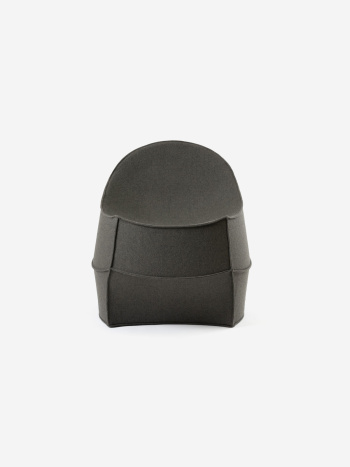
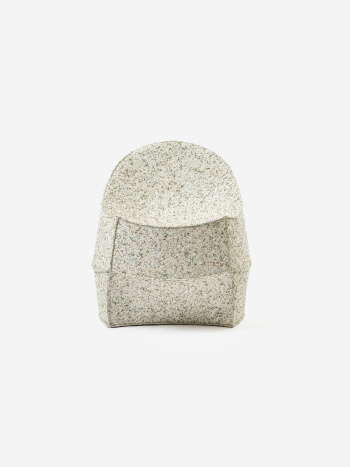
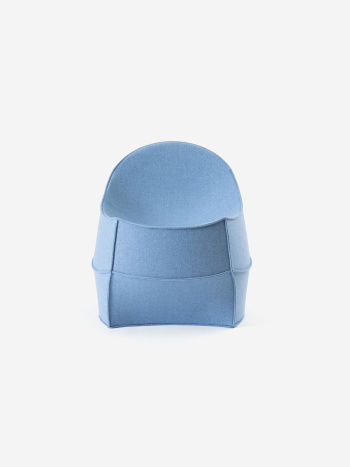
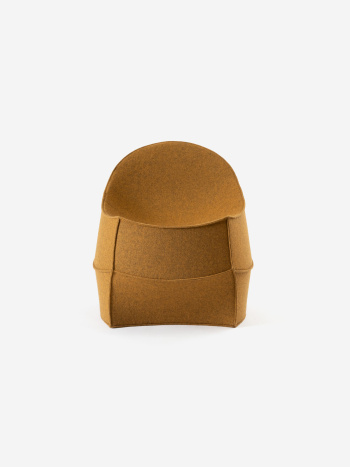
Dutch designer Aldo Bakker has developed a body of work that questions the conventions of design and the relationship between form, function, and use. Rejecting the idea of the object as a mere instrument, he conceives each creation as an autonomous presence, governed by its own internal logic. His pieces are characterized by continuous volumes, taut lines, and a formal economy that often conceals a high degree of conceptual and technical complexity. Function is never entirely predetermined: it is revealed through handling, engaging the body in a renewed relationship with the object. Wood, stone, metal, glass, ceramics, and lacquer all play an integral role in this research, their properties shaping both perception and use. Situated between familiarity and strangeness, balance and tension, Bakker’s work renews the vocabulary of the domestic object. Presented in numerous international institutions, his work is notably held in the collections of MoMA and the Centre Pompidou.
Dutch designer Aldo Bakker has developed a body of work that questions the conventions of design and the relationship between form, function, and use. Rejecting the idea of the object as a mere instrument, he conceives each creation as an autonomous presence, governed by its own internal logic. His pieces are characterized by continuous volumes, taut lines, and a formal economy that often conceals a high degree of conceptual and technical complexity. Function is never entirely predetermined: it is revealed through handling, engaging the body in a renewed relationship with the object. Wood, stone, metal, glass, ceramics, and lacquer all play an integral role in this research, their properties shaping both perception and use. Situated between familiarity and strangeness, balance and tension, Bakker’s work renews the vocabulary of the domestic object. Presented in numerous international institutions, his work is notably held in the collections of MoMA and the Centre Pompidou.